
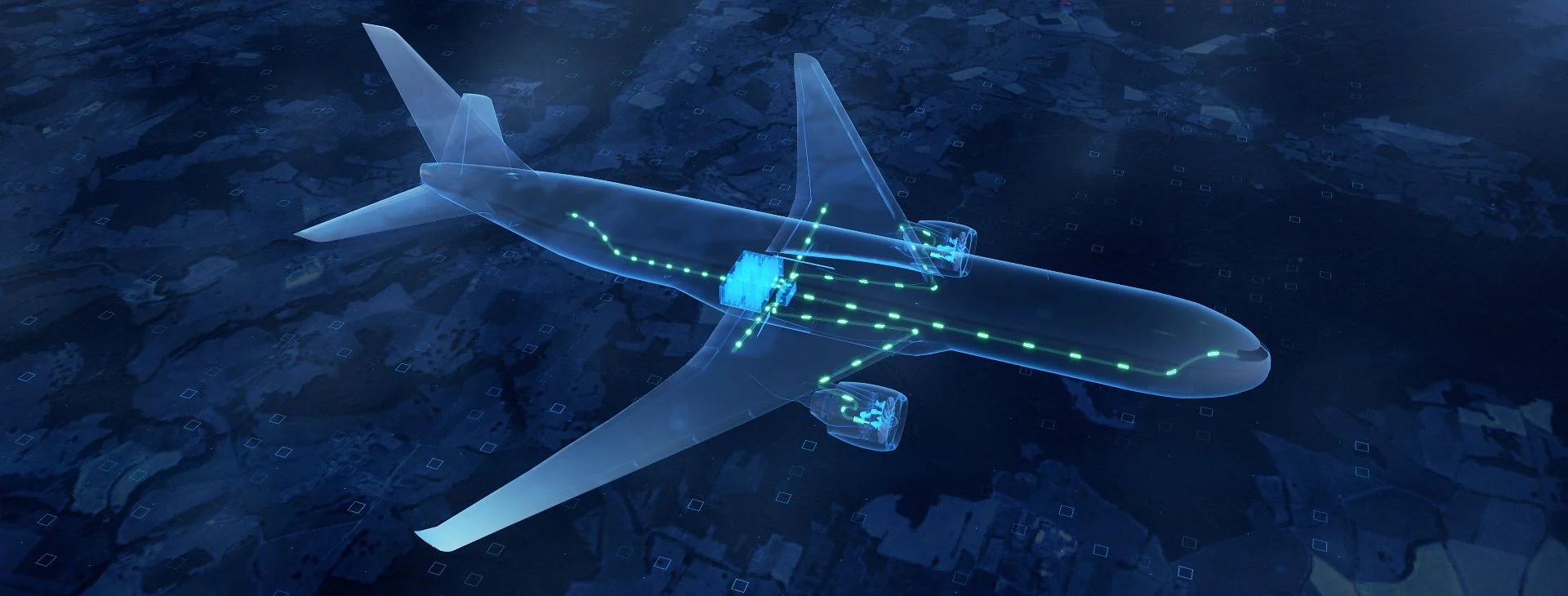
Airbus is moving a hybrid-electric aircraft-systems programme from subsystem laboratory work toward a larger integration campaign. In an announcement made at the Farnborough International Airshow on 22 July 2026, the manufacturer said its LEIA project will take the next step in developing a non-propulsive electrical architecture for future short- to medium-range commercial aircraft.
The announcement is significant because it concerns the way an aircraft generates, distributes and manages electrical power across its systems. It is not a launch of a new passenger aircraft, a new airline service or a promise that fully electric commercial flight is ready for service. Airbus is describing a technology demonstrator and a development path that still includes testing and future certification work.
What Airbus has announced
LEIA stands for Large Scale Integration Demonstrator of Hybrid Electrical Architecture. Airbus says the project is supported by the European Union’s Clean Aviation Joint Undertaking and is intended to bridge the gap between component-level research and aircraft-level maturity. Its focus is high-voltage generation and distribution for electrical aircraft systems, with the stated target of supporting future short- to medium-range aircraft.
That distinction matters. The project is about non-propulsive energy architecture: the electrical systems that support the aircraft’s wider operation, rather than an announcement that the main engines will be replaced by batteries. Airbus’s own LEIA project description says the work is intended to improve engine off-take efficiency, enable more flexible energy management and control system weight as the aircraft’s electrical demands increase.
The project page sets out a development timeline running from December 2025 to December 2027. It identifies 25 partners and a total project budget of €35 million. Those figures describe the research programme, not the cost of a future aircraft and not a confirmed commercial investment in a production model.
From SWITCH subsystems to aircraft-level integration
Airbus says LEIA builds on SWITCH, a preceding project focused on hybrid-electric powertrain subsystems. In July, Collins Aerospace completed integrated laboratory testing of those subsystems, according to the Airbus announcement. The hardware is now moving into Airbus’s Sustainable Technology and Engineering Projects laboratory in Germany, where teams will work on aircraft-level integration.
The next work package will include design activity, battery interfacing and energy-management systems. Airbus also lists scalable motor-generators, electronic controllers and power-distribution equipment among the components it is integrating. The purpose is to test how those elements operate as a coordinated architecture, rather than judging each component in isolation.
This systems approach reflects one of the harder problems in aviation electrification. Adding electrical functions can bring new demands for power distribution, thermal control, protection and software coordination. The LEIA project page identifies high-voltage stability, power quality, protection against arcing and the management of transient thermal loads as technical challenges. These are development issues to be addressed in testing, not problems Airbus says it has already solved.
What the programme could show by 2027
Airbus says the testing programme is expected to culminate in a ground demonstration in 2027. The research page gives a more specific technology ambition: reaching Technology Readiness Level 5 for an integrated energy-provision system by that year, while advancing selected technologies toward Certification Readiness Level 4 and defining a route toward Level 6.
Read together, those milestones point to a technology maturation programme. They do not establish when a commercial aircraft using the architecture will fly, when it could enter service or which airframe would adopt it. Airbus has not announced an airline customer, a production aircraft, a service-entry date or a certified performance result in the LEIA release.
The same project page says the non-propulsive energy system is expected to contribute to a 30% reduction in CO2 emissions at the short- to medium-range aircraft level compared with a 2020 state-of-the-art reference aircraft. That is a project expectation, not a measured result from the 2027 demonstration. The comparison also applies at the aircraft level and should not be read as a claim that LEIA alone will cut every flight’s emissions by 30%.
Why the announcement matters for aviation
Commercial aviation is pursuing several routes to lower emissions, including more efficient engines, sustainable aviation fuel, lighter structures and new electrical systems. LEIA sits within that broader technology portfolio. Its role is to develop the electrical “backbone” needed for more-electric aircraft, while leaving the question of the final propulsion architecture open.
The project also illustrates why aviation technology announcements need to be read as sequences of milestones. Laboratory integration can reveal interface and control problems that are not visible in component tests. A ground demonstrator can then provide evidence about the combined system before flight testing and certification are considered. Each stage reduces uncertainty, but none automatically guarantees a commercial aircraft.
For now, the verified development is straightforward: Airbus and its partners have moved into LEIA’s large-scale integration phase, following SWITCH laboratory work, and are targeting a ground demonstration in 2027. The useful near-term question is therefore not whether hybrid-electric passenger flights have arrived, but whether the programme can produce repeatable evidence that high-voltage generation, distribution, thermal management and energy control can work together at the scale future aircraft will require.
Official sources
Primary source: Official source: airbus.com